
Middletown, DE · Garage Door Service
What Middletown's Housing Stock and Winters Do to a Garage Door
Middletown's housing stock runs 1945 to 2008, median build year 1993, and sits in a severe cold climate band. Here's what that combination does to your garage door over time.
- Repairs & new doors
- Springs & openers
- Serving 7 nearby communities
What Local Conditions Do
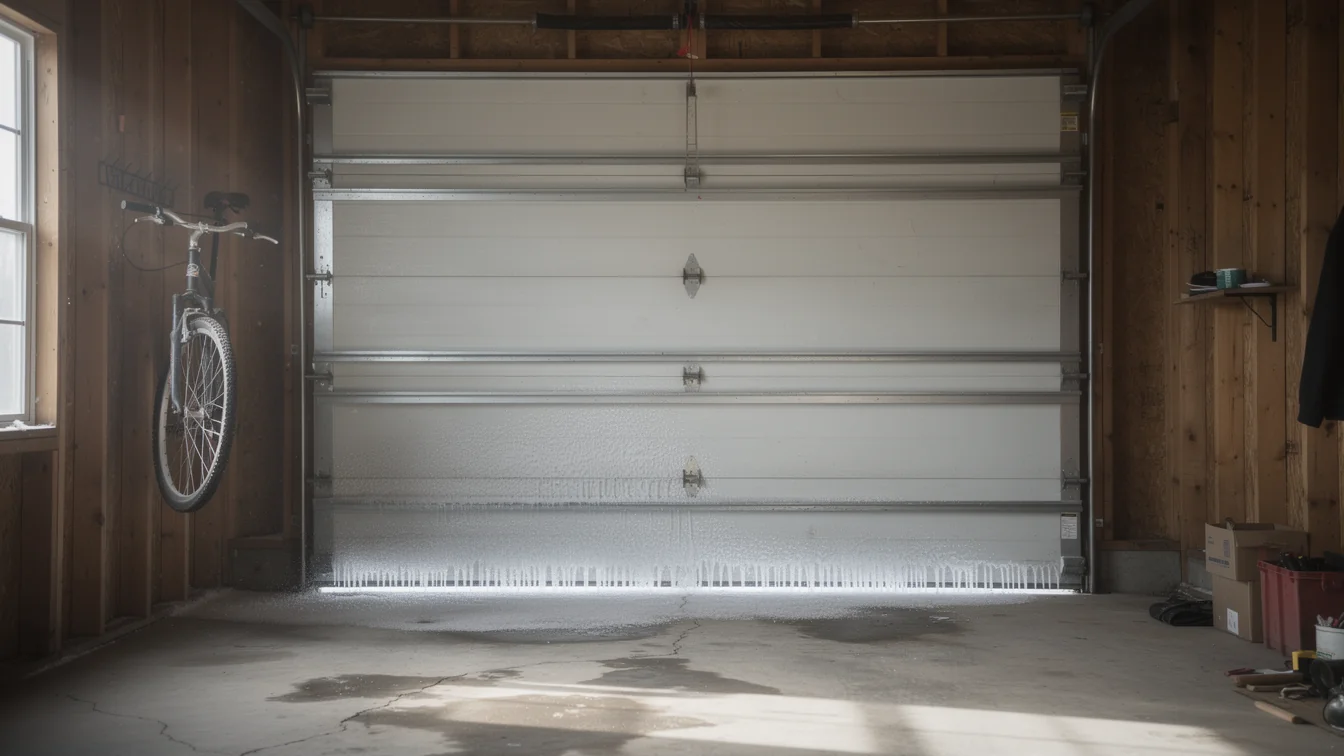
Middletown's housing was built mostly between 1945 and 2008, with the median home going up around 1993, and the bulk of it clustered in that 1980s-90s stretch across the thirteen named areas that make up this part of the service area. That matters because garage door hardware from that era was built to a different spec than what's installed today - thinner steel, less sealed bearings, galvanized but not always zinc-coated springs. Add a severe cold climate band on top of that, and you get a specific failure pattern: metal contracts in the cold, grease stiffens, and the spring that's been cycling for twenty-plus winters finally gives out on the coldest morning of the year, not the mildest one. This isn't a universal garage door problem. It's what happens when 1980s-90s hardware meets a winter that regularly drops below the temperature range it was lubricated for. Houses built in the later part of that 1945-2008 range, closer to 2008, tend to have slightly better insulation and newer rollers, but they're not immune - they're just a decade or two behind the oldest stock in hitting the same wall.
The Situation
Across the roughly 26,801 households in this service area, with 13,248 of them owner-occupied houses, the garage door is one of those things nobody thinks about until it won't open. Median household income here runs $78,333, which is enough that most owners replace a door or opener before it becomes a safety problem, rather than running it into the ground. But the age of the housing stock means a lot of these doors are original or close to it - installed when the house was built sometime in that 1945-2008 window, most commonly in the 1980s or 90s. A door that old wasn't engineered with today's insulation values or today's spring cycle-life ratings. In a severe cold climate, that gap shows up as doors that groan going up on a 20-degree morning, openers that strain and trip their breaker, and torsion springs that lose tension faster than the manuals from that era ever accounted for. None of this is dramatic. It's just wear, compounded by weather the original hardware wasn't built to shrug off indefinitely.
Checking It Yourself
Pull the release cord and lift the door by hand. If it's hard to lift past waist height, or it drops on its own once you let go, the spring has lost tension - common on doors from the 1980s-90s stock that have never had the spring replaced. Next, look at the bottom rollers and track in the corners of the garage, where cold air settles. Severe cold swings cause more condensation and frost cycling there than in a mild climate, so rust on rollers and track bolts shows up earlier here than it would somewhere warmer. Check the weatherstrip along the bottom panel - on a house built before today's insulation codes, that strip is often the only thing between your garage and outside air, and once it cracks or flattens, cold air finds its way in fast. Finally, listen to the opener motor on a cold start. A motor that used to be quiet and now grinds or hesitates on the first cycle of the morning is telling you the grease has stiffened or the opener itself is nearing the end of its service life. None of this requires tools, just five minutes and paying attention.
When It Stops Being a DIY Job
A spring that's lost tension is not a DIY repair - torsion springs are under enough load to cause serious injury, and that's true whether the door is five years old or thirty. If your door is original to a house built in the 1980s or 90s, replacing a single worn part often isn't worth it; the opener, rollers, and springs were all installed together and tend to fail together within a year or two of each other. At that point a full door or opener replacement usually costs less over time than a string of one-off repairs. We don't stock every part for every era of hardware - some of what went into houses built in the earlier part of that 1945-2008 range is discontinued, and a replacement part sometimes means a longer wait than a same-day fix. If that's the case for your door, we'll tell you upfront rather than have you wait on a part that isn't coming.
Frequently asked questions
Why does my garage door get harder to open in winter?
Cold makes steel contract and grease stiffen, which adds resistance right when the opener is already working against a spring that's lost some tension over the years. In a severe cold climate like this one, that effect is more pronounced than it would be somewhere milder, especially on hardware original to a house built in the 1980s or 90s.
Is my garage door too old to repair?
If your house was built in the median range around 1993, your original door and opener are likely past the point where a single repair makes sense - springs, rollers, and openers from that era tend to wear out close together. We'll look at the actual hardware before recommending replacement over repair.
Why does my garage door rust on the rollers but not the panels?
Rollers and track bolts sit low, where cold air and condensation settle first. In a severe cold climate, that moisture cycles through freeze and thaw more often than in a mild one, which is why rust shows up there before it shows up anywhere else on the door.
Related garage door services in Middletown
More garage door guides
Book garage door service in Middletown
Call now or request a quote - tell us what the door is doing and where you are.